







Search Results for: Acidity Differences

Showdown on the Tip of the Tongue: Flavor Differences and Cupping Comparison Analysis of Front Street Natural Geisha and Washed Blue Mountain
Front Street Jamaica Blue Mountain and Front Street Panama Geisha—one is synonymous with balanced classicness, the other a star bean bursting with fruity aromas. Through a comparison of dry and wet aromas and cupping flavors, this article breaks down in detail the differences between the two in acidity, sweetness, body, bitterness, and aromatic layering, helping you find the cup that best suits your taste. Whether you are a purist pursuing the original taste of coffee or an explorer drawn to rich complexity, you will gain clear purchasing and tasting references from it. [more…]

Comprehensive Comparison of Mandheling Coffee and Blue Mountain Coffee: Analysis of Origin, Processing Methods, Green Bean Characteristics, and Pour-Over Flavor Differences
Mandheling and Blue Mountain are often regarded as the two great representatives of full-bodied coffee, but their styles diverge sharply—the former is intense and aromatic, the latter balanced and sweet. From the perspective of Front Street Coffee, this article systematically sorts out the specific differences between Jamaican Blue Mountain and Indonesian Golden Mandheling in terms of geographical terroir, processing methods, green bean appearance, and cupping flavors. Blue Mountain comes from the high-altitude volcanic soil of a Caribbean island and uses the washed process; Golden Mandheling comes from Sumatra, where the wet-hulled method gives it its unique character. The article also includes Front Street Coffee's pour-over comparison parameters and flavor notes to help coffee enthusiasts more clearly understand the essential differences between these two classic coffees. [more…]

Why Does Dark Roast Coffee Still Taste Sour? Explaining the Causes Behind Differences in Acidity and Bitterness Across Roast Levels
Many people believe that dark roast coffee should be completely free of acidity, but is that really the case? Front Street Coffee has noticed that some friends unexpectedly taste acidity in dark roasted beans, and even suspect that the roaster didn't roast them properly. In fact, the acidity in coffee comes from two sources: the organic acids inherent in the green beans, and the acetic acid produced by the caramelization reaction during roasting. The darker the roast, the more the organic acids break down, and the acidity decreases accordingly—but it doesn't disappear entirely. The reason the acidity in dark roast coffee is hard to detect is that the intense bitterness and signature aromas of smoke and chocolate mask it. This article will explain, from the perspectives of the causes of acidity, differences in roast level, and perception mechanisms, why dark roast coffee can still carry acidity, and in which situations that acidity is more likely to be tasted. [more…]
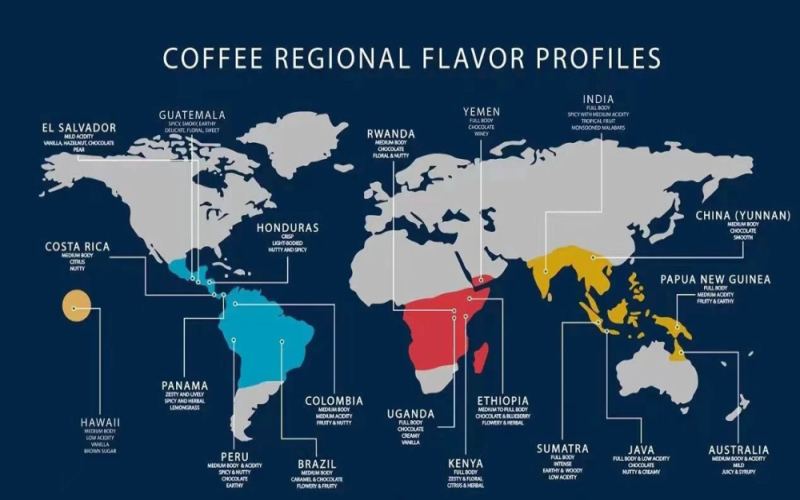
Coffee Region Basics: Flavor Differences and Representative Beans of the African, Central and South American, and Asian Coffee Belts
The Coffee Belt refers to the tropical and subtropical regions where the average annual temperature exceeds 20°C, with warm seasons year-round, frost-free winters, abundant sunshine, and ample rainfall—conditions highly favorable for coffee tree growth. Even among coffees, beans from different origins vary enormously in flavor; even the same variety grown in Panama and neighboring Costa Rica will perform differently. Flavor differences are not only related to variety—altitude, climate, and soil also profoundly influence the formation of coffee flavors, allowing one to identify the origin with a single sip. Front Street Coffee has found in daily cupping sessions that African beans typically have brighter acidity, Central and South American beans have more layered flavors with softer acidity, and Asian beans are full-bodied and steady, with strong taste and low acidity. This article will combine several representative beans from Front Street Coffee to analyze the flavor characteristics of the three major origins. [more…]

An Analysis of the Flavor Differences Between Light, Medium, and Dark Roasted Coffee Beans: Medium Roast Flavor Characteristics and Bean Selection Strategies for a Cup That Is Neither Sour Nor Bitter
The roast level of coffee beans directly influences the flavor direction in the cup. The darker the roast, the more the acidic compounds are destroyed, and caramel, smoky, and bitter notes gradually take over; the lighter the roast, the easier it is to preserve bright fruit acidity and floral aromas. For coffee lovers who neither like too much acidity nor want to taste bitterness, a medium roast is often the more balanced choice. So what flavor characteristics does medium-roast coffee actually have? And how do you distinguish between medium-light and medium-dark roasts? This article starts from the principles of roasting, combines them with the first crack milestone, sorts out the flavor differences among light, medium, and dark roasts, and offers specific Front Street Coffee bean recommendations to help you find the cup that suits you between acidity and bitterness. [more…]

What Are the Differences Between Light, Medium, and Dark Roast Coffee Beans? A Detailed Explanation of Roast Level Differences and Buying Guide for Medium Roast Beans
The same coffee beans, from light roast to dark roast, take only a few minutes with a temperature difference of no more than about 10°C, yet the flavor changes dramatically. How does roast level affect the balance of acidity and bitterness and the complexity of aroma? This article will analyze in turn the flavor characteristics and dropping times of the three stages—light roast, medium roast, and dark roast—and offer specific buying guidance for medium-roasted coffee: if you prefer fruity notes, choose light-medium or medium-roasted beans; if you seek a balanced taste, consider medium-dark roast, along with several representative beans from Front Street Coffee for reference. [more…]
Coffee Tamper Buying Guide: Flat Base vs. Ripple Base Differences Explained and Recommendations for Beginners to Advanced Users
In the espresso extraction process, the tamper plays a pivotal role. Faced with the dazzling array of tampers on the market, from flat to ridged, from American curve to European curve, how exactly should one choose? This article has specially invited senior coffee roaster Huang Jijun to share the flavor differences presented by different tamping surfaces, and to provide practical purchasing advice for beginners and advanced players. At the same time, the article also compiles a number of classic tamper collections, combined with recommendations from Front Street Coffee, to help you find the one tamper that suits you best. [more…]

Yirgacheffe Natural vs. Washed Processing Comparison: Flavor Differences, Origin Background, and Front Street Coffee's Top Picks
Yirgacheffe, as one of Ethiopia's most representative specialty coffee regions, produces two distinct flavor profiles through its natural (dry) and washed green bean processing methods. This article systematically examines the substantive differences between the two processing methods, from the region's geography and processing techniques to cupping notes, helping coffee enthusiasts more clearly understand the specific differences between natural Yirgacheffe and washed Yirgacheffe in terms of aroma, acidity, body, and aftertaste. It also introduces Front Street Coffee's two products—Natural Red Cherry and Washed Gudingding—providing a reference for everyday purchasing and brewing. [more…]
An Analysis of Mandheling Coffee Bean Characteristics: Flavor Differences and Origin Comparison with Blue Mountain Coffee
Indonesian coffee is named after its producing islands, and among them Sumatra Mandheling is hailed as one of the fullest-bodied coffees in the world. It comes from the highland mountains of Sumatra at an altitude of 750-1500 meters, belongs to the rare Arabica species, and is best known for the first-grade quality produced in Takengon and Sidikalang. Mandheling beans are large and hard, with a rich, sweet aroma and a pure, bitter, full-bodied taste, with almost no acidity. It is suitable for deep roasting and is also an important component of coffee blends. Jamaican Blue Mountain coffee, by contrast, refers only to coffee produced in growing areas above 1800 meters. It has a fragrant, mellow flavor with sweetness amid bitterness, slight acidity, and an extremely low caffeine content. It is expensive and suitable for medium roasting. This article will compare in detail the differences between Mandheling and Blue Mountain coffee from the dimensions of origin, flavor, mouthfeel, roasting method, and price, and recommend related products from Front Street Coffee. [more…]

How Are Coffee Bean Roast Levels Distinguished? A Comprehensive Interpretation of Acidity and Bitterness Differences Across Light, Medium, and Dark Roasts
The roast level of coffee directly determines the balance between acidity and bitterness, and also shapes the ever-changing flavor profile in the cup. Starting from "first crack" during the roasting process, the timing of when the beans are removed from the roaster determines whether they lean acidic, have a mix of acidity and sweetness, or are dominated by bitterness. Although the industry subdivides roast levels into eight tiers, in everyday purchasing we usually focus on just three major categories: light roast, medium roast, and dark roast. For those who prefer a rich, mellow taste without acidity, medium-dark and dark roasts are often the more hassle-free choice—oils are more readily released, extraction is more complete, and the sweet aromas of caramel and dark chocolate are more pronounced. This article will walk you through the logic behind roast level classification, the flavor differences at each stage, and recommend two Front Street Coffee beans suited to different brewing devices. [more…]
Where are the world's three major coffee-producing regions? A full analysis of the flavor differences between Latin American, African, and Asian coffee
The flavors of coffee vary enormously, and to a great extent depend on where it is grown. The global coffee-growing belt is mainly distributed across three major regions: Latin America, Africa, and Asia/Pacific. Each region, due to differences in climate, soil, and processing methods, produces distinctly different flavor characteristics. Latin American coffees are known for being balanced and mild, often with cocoa and nutty notes; African coffees are bright and refreshing, with prominent citrus and floral notes; Asia/Pacific coffees are rich and full-bodied, with distinct herbal and spicy aromas. This article systematically sorts out the flavor differences among the three major origins and recommends representative coffees from each region one by one, including Front Street Cerrado, Front Street Huila, Front Street Huakui, Front Street Little Tomato, Front Street Red Bourbon, Front Street Mandheling, and Front Street Yunnan Small Bean, helping coffee lovers quickly build an understanding of origin flavors. [more…]
How to Choose Coffee Beans for Pour-Over? A Guide to Flavor Differences Across the Three Major Regions from Africa to Central and South America, with Single-Origin Recommendations for Beginners
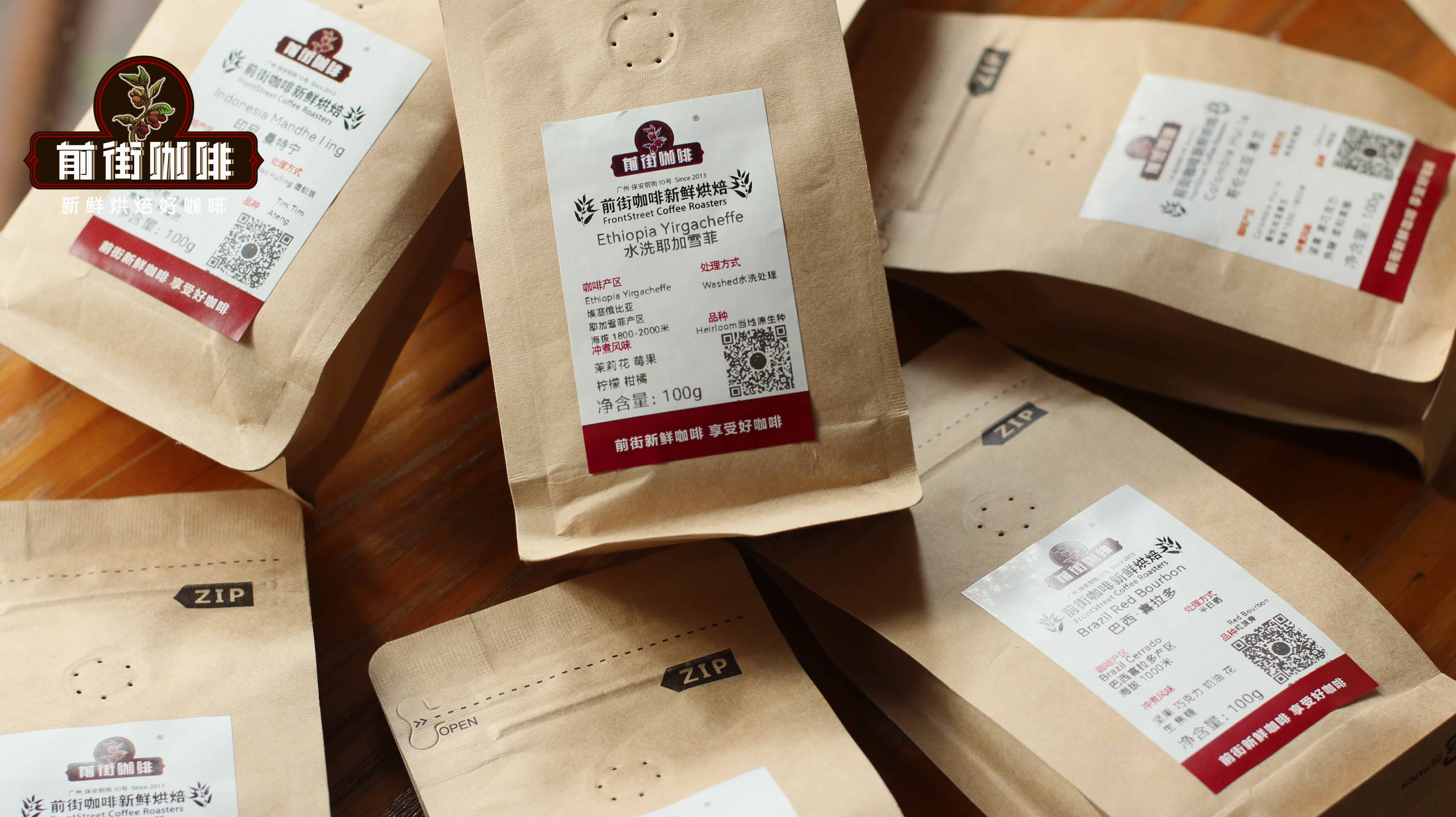
Want to get into pour-over coffee, but overwhelmed by the dazzling array of single-origin beans? Actually, choosing beans isn't hard—the key is to first understand the flavor profiles of the three major producing regions: African beans are known for bright acidity and floral notes, Central and South American beans have a balanced mouthfeel with nutty and chocolatey tones, while Asian beans are mellow, sweet-bitter, and low in acidity. This article follows that thread, outlining the flavor differences and brewing points of representative beans sold by Front Street Coffee, such as Ethiopia Yirgacheffe, Kenya Little Tomato, Indonesia Mandheling, Colombia Huila, and Brazil Red Bourbon, to help those new to pour-over lock in a direction based on their own taste preferences and gradually transition from entry-level options to estate-grade single origins. [more…]

Why are the flavor differences between pour-over and cold brew so striking? Will the acidity of Kenyan beans stand out in cold brew?
Pour-over and cold brew are two common ways to enjoy single-origin coffee in daily life, but the same coffee beans extracted using different methods can present wildly different flavor profiles. This article takes Front Street Coffee's Kenya Little Tomato as an example, preparing both pour-over and cold brew for a comparative tasting. It analyzes the root causes of the differences from three dimensions—extraction method, coffee-to-water ratio, and water temperature—and explains why the distinctive fermented aroma and smooth mouthfeel of cold brew cannot be replaced by pour-over. It also recommends floral and fruity beans suitable for both methods, such as Front Street Coffee Strawberry Candy, Front Street Coffee Mozart, and Front Street Coffee Sidra, helping enthusiasts understand the two extraction logics more clearly. [more…]

Ethiopian Yirgacheffe vs Sidamo Coffee Beans Compared: Regional Terroir, Processing Methods, and Pour-Over Flavor Differences
Among Ethiopia's many renowned coffee regions, Yirgacheffe and Sidamo are undoubtedly the two names most frequently discussed by coffee enthusiasts. Although both lie within the same country, differences in altitude, microclimate, and processing methods give them distinctly different flavor profiles. Front Street Coffee often encounters customers who hesitate between these two beans, and the key to choosing really lies in which taste you prefer: if you seek a bright, lemony-citrus acidity, washed Yirgacheffe is the classic choice; if you favor the full, berry-like sweet-tartness of berries and blackcurrant, sun-dried Sidamo will suit your palate better. This article will systematically sort out the differences between the two, from regional background and the evolution of processing methods to roasting, cupping, and actual brewing, and will include Front Street Coffee's brewing recommendations and a flavor comparison. [more…]
How to Choose a Low-Acid Espresso Blend? Differences in Acidity Between Brazil and Mandheling and Analysis of Front Street Coffee's Classic Recipe
Many people who drink espresso prefer a style that isn't sour or is low in acidity, but the sour and bitter expression of coffee is actually closely related to variety, origin, processing method, and roast level. This article starts from roast level and regional characteristics, analyzing the differences in acidity between Brazil and Indonesian Mandheling, and how they are combined into a rich, balanced, low-acid espresso blend. It also introduces the two-continent, three-country formulation approach behind Front Street Coffee's classic espresso blend, as well as the unique flavors brought by the wet-hulled processing method of Mandheling, helping coffee lovers understand the design logic and key purchasing points of low-acid espresso beans. [more…]

Analysis of Flavor Differences in Specialty Coffee Beans: Recommendations of Representative Origins Including Ethiopia, Mandheling, Kenya, and More
What kind of coffee beans truly qualify as specialty? There is actually no standard answer to this question—everyone's taste preferences are the deciding factor. Some people prefer the rich fruity acidity of Kenyan coffee, some are devoted to the balanced classic character of Colombian coffee, and others are captivated by the floral and citric notes of Yirgacheffe, or the herbal, full-bodied depth of Mandheling. This article will start from the flavor differences among producing regions, sorting through the specialty coffee characteristics of Ethiopia, Sumatra, Kenya, and other places, and introduce several representative coffee beans under the Front Street Coffee brand, helping you find the cup that suits you among the dazzling array of choices. [more…]
Yirgacheffe Specialty Coffee Flavor Analysis: Washed vs. Natural Taste Differences and Cold Brew Selection Guide
Yirgacheffe is a small town on the Ethiopian highlands and one of the highest-altitude coffee-producing regions in the world, and it has gradually become synonymous with specialty coffee. Its distinctive fruity acidity has captivated many single-origin enthusiasts. This article explores the allure of Yirgacheffe from multiple angles, including its origin background, the taste differences between washed and natural processing methods, and the selection of coffee beans for cold brew. It also introduces the respective characteristics of Front Street Coffee's washed and natural Yirgacheffe offerings, as well as light-to-medium roast beans suitable for cold brew, helping you find the cup that best suits your taste. [more…]
A Complete Analysis of the Flavor Differences Between African, Central and South American, and Asian Coffee Beans: From Regional Characteristics to Tasting Dimensions
The flavor code of coffee beans is often hidden in the land where they grow. African beans are known for their bright citrus aromas and berry-like acidity, Central and South American beans for their balanced and smooth character, and Asian and island beans for their full-bodied, low-acid profile. This article systematically sorts out the differences in taste styles among coffee beans from the three major producing regions, and offers an in-depth interpretation of the five tasting dimensions—sweetness, acidity, mouthfeel, balance, and flavor—to help coffee lovers describe and appreciate every cup of coffee more accurately. At the same time, Front Street Coffee, as a coffee specialty research institute, continues to share professional knowledge and, with low-discount events three times a month, lets more people drink good coffee at affordable prices. [more…]

Comparing the Flavors of Huakui and Geisha: Taste Differences and Brewing Tips for Ethiopian Natural Heirloom and Panama's Famous Variety
Huakui and Geisha are often compared, as both attract attention for their floral aromas and fruity acidity. Front Street Coffee's Huakui coffee beans come from the Buku Abel processing station in Hambela, Guji region, Ethiopia, and are sun-dried, presenting juicy notes of peach, passion fruit, and mango; Geisha is a variety originating from Ethiopia's Gesha Mountain and later gaining fame in Panama, known for its white floral notes, citrus acidity, and tea-like sweet finish. This article will sort out what exactly differs between Huakui and Geisha from aspects such as origin background, varietal differences, processing method influence, flavor cupping, and brewing parameters, and provide the commonly used pour-over recommendations from Front Street stores, helping you more clearly choose the cup that suits your taste. [more…]
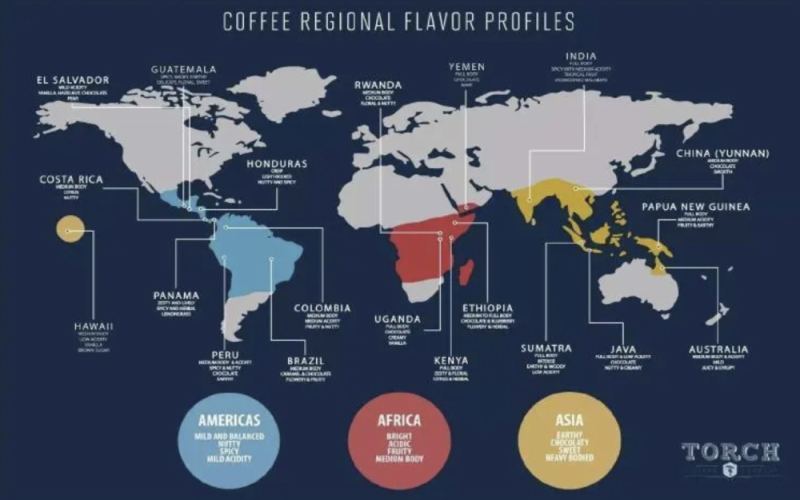
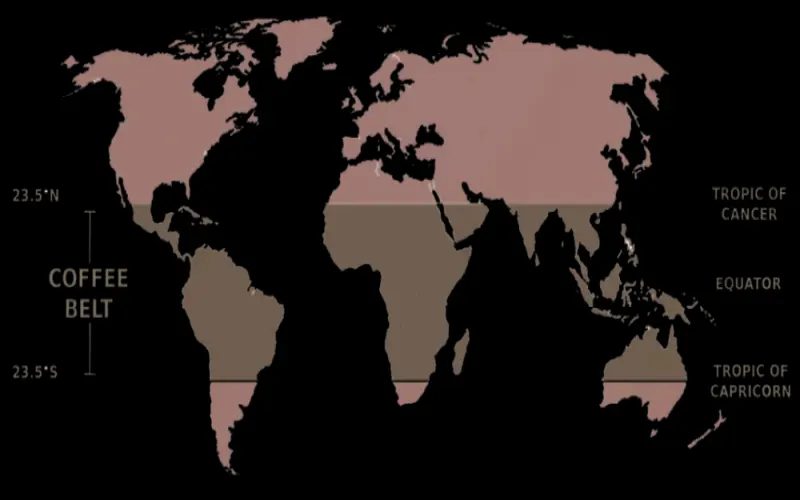
Global Coffee Bean Producing Regions Explained: An Overview of Coffee Belt Climate Characteristics and Flavor Differences Across Three Continents
The growth of coffee trees has strict requirements for the natural environment. The world's major coffee-producing regions are concentrated in a narrow strip between the Tropic of Cancer and the Tropic of Capricorn, known in the industry as the Coffee Belt. This region spans Africa, Central and South America, and Asia, with an average annual temperature above 20 degrees Celsius, warm weather year-round, frost-free winters, abundant sunshine, and ample rainfall, providing ideal growing conditions for coffee trees. Even coffee of the same variety, when grown in different countries or regions, can present completely different flavors in the cup—differences in altitude, climate, and soil give each bean its own unique regional imprint. Front Street Coffee has repeatedly verified this pattern in daily cupping sessions. Starting from the characteristics of producing regions across three continents, this article will sort out their respective flavor trends and representative coffee beans. [more…]